

You can feel it in the shape of your week.
The work that actually matters; the thinking, the building, the deciding, keeps getting bumped. Interrupted by the same old tasks and questions, handled manually, again.
“It isn’t a people problem. It isn’t an effort problem. It is a systems problem, and it has a precise cost.”
A 30-person business recently found over £57,000 a year in ongoing operational friction. The programme to fix it paid back in 10 weeks.
Feeling frustrated with the lack of growth in your business even though you’re working harder than ever?
Answer 20 questions to discover where your business is quietly working against you and how to fix it.

You’re just 2 minutes away from seeing your specific blind spots and getting clear, actionable next steps not generic advice.
- It takes just 2 minutes
- It’s completely free
- Take the quiz to find out your efficiency score
Receive personal results instantly
Your business has grown but your systems haven’t kept up.
Right now, the gap between the two is being filled by the people who can least afford to fill it, you and the senior team.
You’re too busy working in the business to to spend time working on the business. Your days are filled with managing processes that only work because you personally know how they work. By reports that take three hours to produce and follow exactly the same format every time. By manually working around tools you pay for every month that nobody’s had time to set up properly.

Tell me if these sound familiar?
The invisible bottleneck
You’re first in and last to leave, and you still never feel ‘caught up’. No matter how much effort you make growth is slow and the admin piles up.
The silent SaaS drain
You’re using the tools, maybe even some of the AI ones, but the reporting, the proposals, the client admin, it’s still being done largely by hand.
The single point of failure
There is one specific person who single-handedly holds together key parts of your business. If they weren’t there tomorrow, things would get complicated very quickly.
What knowing actually feels like:
The most common thing people say when we’re discussing the findings is some version of: why has nobody looked at this before?
Not because the problems are surprising. Because seeing them as specific, costed, fixable things is completely different from vaguely knowing something isn’t right, or scrolling past another post about ‘insane AI results’ and wondering what you’re missing.
That shift, from background anxiety to a clear picture of where you actually are and what to do next, is what the audit is for.

What clients say
“Why is this even a conversation? “
This is an amazing report, and we can spend X now and save this much money, and I get to go and do what I want to do.”

Matt – Operations Director, 30-person outdoor education company
★★★★★
“Exceptional”
“The level of preparation and care in the deliverables was exceptional. He asked exactly the right questions, and it showed in the output. If you’re running a growing team and suspect your processes haven’t kept pace, the audit pays for itself very quickly.”

Laura – Head of Marketing, Blue Bee, Leading South Coast Marketing Agency
★★★★★
“Eye opener”
“An outsider looked at the systems we’ve already got in place and said, actually, you can use those better. It was a bit of an eye opener.
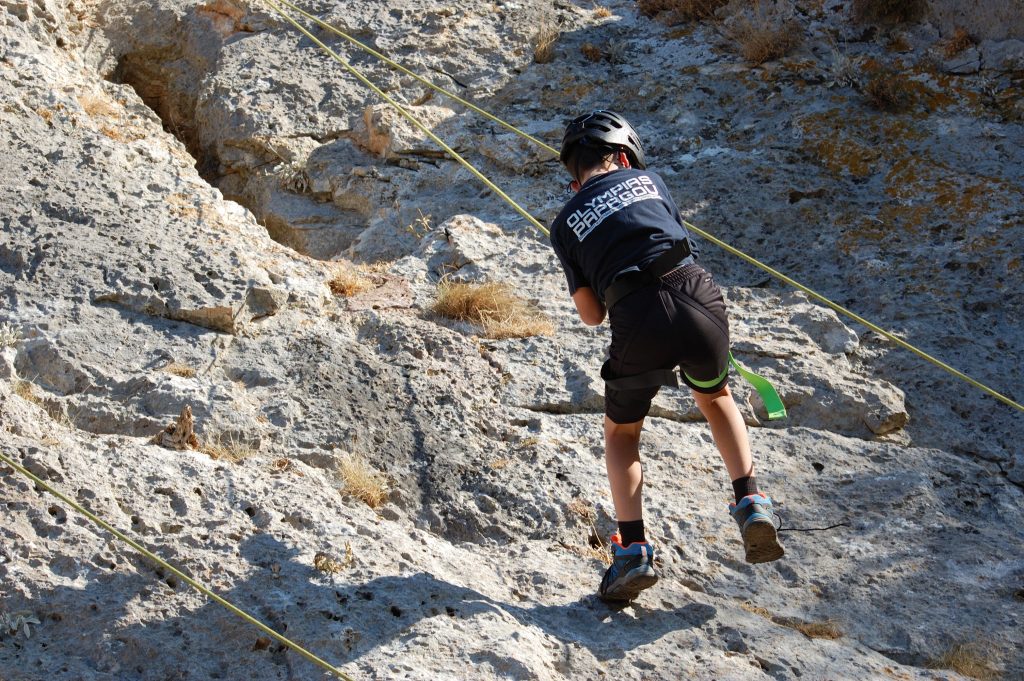
Nicky – Finance Director, Leading outdoor CIC
★★★★★
“You really are paying attention“
“It just feels already very hands on. The questions you ask, they’re just the right questions. You really are paying attention and you understand it. Whereas other people I’ve tried to get help from, it’s just so broad. I can’t connect to it because it’s not this.”

Katie – Founder, Utta Nutta, Artisan food producer.
★★★★★
Who fixes this?
I have yet to meet a small business that is short of ambition. Most are trying to do more with what they have, and quietly wondering if everyone else has already figured out the part they’re missing. Usually they haven’t. The problem is almost always the same: the systems haven’t kept pace with the business, and nobody has looked at the whole picture at once.
I’m Dave Reavill, founder of Fieldwork Partnership. I find where operations are breaking down and fix them: a CRM that finally gets used, cleaner data, AI embedded where it actually saves time. Then I work alongside your team until the change sticks. That’s the part most consultants skip.
I can do that because I spent 10 years as a teacher. I know how people actually learn new systems, and I know that a process nobody was properly shown doesn’t get used. That’s why Fieldwork’s changes stick when others don’t.

What you actually get
A number, not a hunch
You’ll know exactly what your operations are costing you. Not a vague sense that things could be better, but a specific, costed picture of where the drag is and what it’s worth fixing.
A plan built around what you already have
Most of what I find is fixable without new tools or outside hires. The audit identifies where you’re underusing what you already pay for and builds a practical sequence of changes around that.
Changes your team will actually use
Implementation happens alongside your team, in real work, until the new way is just the way. That’s the reason it works.
How it works
1. Book a free diagnostic
A 15-minute conversation. No preparation needed. You’ll leave knowing whether there’s something worth fixing and whether Fieldwork is the right fit. If the answer is no, I’ll tell you, and point you toward whatever would actually help.
2. The audit
Two focused sessions. A clear, costed picture of where the drag is and what it would take to fix it. No 200-page reports and no vague, one-size-fits-none, recommendations.
3. Implementation
If you choose to move forward, changes happen alongside your team, in real work, until the new way is just the way. The full programme typically pays back within months, sometimes even weeks.

- Your time across the full process: roughly three hours.
- My commitment throughout: a straight answer, not a pitch.
- I work with a small number of clients at a time. If the diary has space, it’s worth using.
FAQs
The audit involves two focused sessions, typically no more than three hours of your involvement across the whole process. Implementation then happens alongside your team, not on top of you.
No. The audit finds out what’s actually needed. Sometimes that’s AI. Often it’s a simpler fix. The technology follows the problem, not the other way around.
Great! Many businesses haven’t had the courage to start experimenting yet. The ones that have often find the tools are useful in isolation but haven’t made a noticeable dent in the overall admin load. That’s usually because the underlying process hasn’t changed, only the tool has. The audit will tell you where the real friction is, whether the tools you have are the right ones, and what it would take to get the time back you expected when you signed up for them.
No. Fieldwork focuses on operational workflows and how people use systems, not the technical infrastructure underneath. Most IT providers welcome the combination. One client told us their IT contact had been trying to get them to address this for three years. The audit achieved it in one session.
I’ll tell you in the first call, and I’ll try to point you toward something that is. I’m interested in doing valuable work, not pushing a sales pitch that doesn’t go anywhere.

What does it cost?
1. The Diagnostic
A straight conversation about what’s going on and whether there’s something worth doing about it.
£ Free
15 minutes
2. The Audit
2 live sessions with me; first discussing your business goals and operations in depth, and then receiving the insights and projections from the report.
Includes the full report, roadmap and presentation documents as deliverables. This is a floor not a ceiling, you’ll often receive more than this depending on what the audit uncovers.
£ 1,500
3 hours of your time
3. The Full Programme
From £5,000.
Embedding change is where the real work begins, and moving on to the next phase happens in concert with you and your ambitions for the business.
There is no commitment to following the audit, but if you choose to move on then we scope and agree a project together. Implementation then happens alongside your team, not on top of you.
From £5,000.
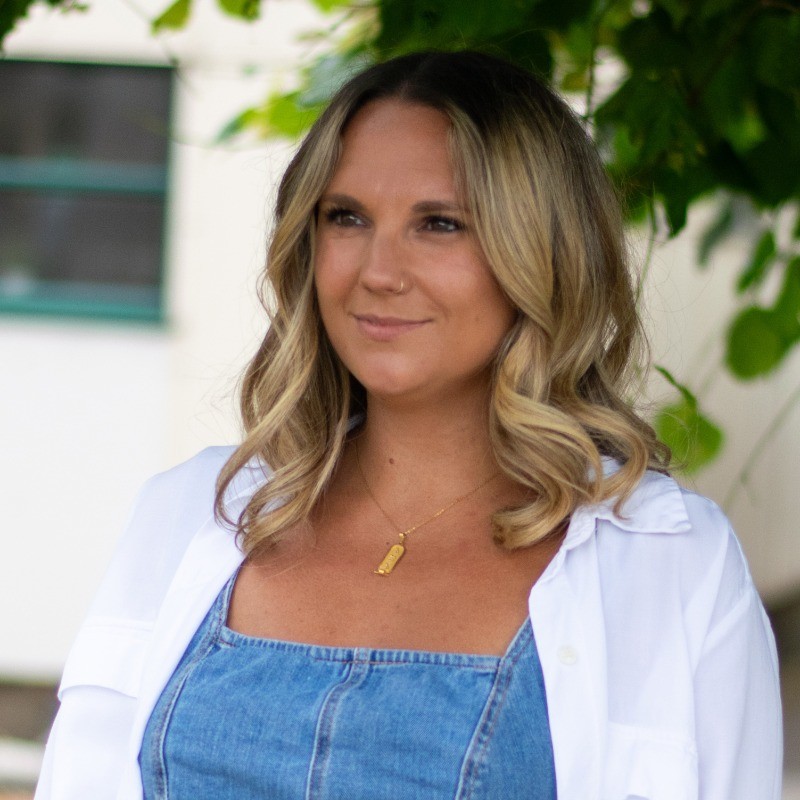
“If you’re running a growing team and suspect your processes haven’t kept pace, the audit pays for itself very quickly.”
Laura — Head of Marketing, Blue Bee
Ready to get started?
Fifteen minutes. No preparation. A straight conversation about what’s actually going on in your business and whether it’s worth doing something about.